In today’s competitive landscape, fostering customer loyalty is paramount. Personalized marketing offers a powerful strategy to achieve this, moving beyond generic messaging to create tailored experiences that resonate deeply with individual customers. This approach leverages data-driven insights to understand customer preferences and behaviors, enabling businesses to deliver highly relevant content and offers across various channels, ultimately increasing customer lifetime value and reducing churn.
This exploration delves into the core principles of personalized marketing, outlining effective strategies for data collection and analysis, and showcasing practical techniques for creating targeted campaigns. We’ll examine the crucial role of customer service in reinforcing these efforts and explore successful case studies that illustrate the tangible benefits of this approach. Finally, we’ll look ahead to future trends and the ongoing evolution of personalized marketing in the digital age.
Data Collection and Analysis for Personalization
Effective personalized marketing hinges on the ethical and responsible collection and analysis of customer data. This process allows businesses to understand their customers’ needs and preferences, enabling them to deliver targeted messaging and offers that resonate, ultimately improving customer engagement and loyalty. The key lies in balancing the benefits of personalization with the crucial need for data privacy and transparency.Successful data-driven personalization requires a multi-faceted approach, combining robust data collection methods with sophisticated analytical techniques.
This involves carefully considering the ethical implications at every stage, from data acquisition to analysis and application. A well-defined data strategy, incorporating robust privacy safeguards, is paramount for building trust and maintaining customer relationships.
Methods for Ethically Collecting and Analyzing Customer Data
Ethical data collection begins with transparency and informed consent. Customers should be clearly informed about what data is being collected, how it will be used, and who will have access to it. This transparency builds trust and fosters a positive relationship. Data should be collected only for legitimate business purposes, and methods should minimize intrusion into customers’ privacy.
For example, a company might offer a discount in exchange for email address and purchase history, clearly stating how this information will be used to personalize future communications and offers. Data analysis should focus on aggregate insights and avoid drawing conclusions about individuals without their explicit consent. Techniques like differential privacy can further enhance data privacy while still allowing for valuable analysis.
Finally, regular audits and internal reviews should ensure ongoing compliance with relevant data protection regulations.
Customer Segmentation System Design
A robust customer segmentation system is crucial for effective personalized marketing. This system should categorize customers based on several key factors:
- Demographics: Age, gender, location, income level, education, and family status can provide a broad understanding of customer characteristics and preferences.
- Purchase History: Analyzing past purchases reveals buying patterns, preferred product categories, and spending habits. This allows for targeted product recommendations and promotional offers.
- Online Behavior: Website activity, including browsing history, search queries, and time spent on specific pages, provides valuable insights into customer interests and preferences. This data can be used to personalize website content and email marketing.
By combining these data points, businesses can create detailed customer profiles and segment them into meaningful groups. For example, a clothing retailer might segment customers into groups such as “budget-conscious millennials,” “luxury shoppers,” or “outdoor enthusiasts,” each requiring a unique marketing approach. This segmentation allows for more targeted messaging, increasing the effectiveness of marketing campaigns and enhancing the customer experience.
Data Privacy and Compliance in Personalized Marketing
Data privacy and compliance are paramount in personalized marketing. Adherence to regulations like GDPR (General Data Protection Regulation) and CCPA (California Consumer Privacy Act) is not merely a legal requirement but a crucial element of building and maintaining customer trust. Companies must implement robust data security measures to protect customer information from unauthorized access, use, or disclosure. This includes measures such as data encryption, access controls, and regular security audits.
Transparency is key; customers should be able to easily access and manage their data, and companies should have clear processes for handling data requests and complaints. Finally, continuous monitoring and adaptation to evolving data privacy regulations are essential to ensure long-term compliance and responsible data handling. Failure to comply can lead to significant financial penalties and reputational damage, ultimately undermining the very personalization efforts the company is trying to implement.
Personalization Techniques and Tactics
Effective customer retention hinges on delivering relevant and engaging experiences. Personalization, powered by data-driven insights, allows businesses to move beyond generic marketing and cultivate stronger customer relationships. This section details key techniques and tactics for implementing personalized marketing strategies.Personalization is not merely about addressing a customer by name; it’s about tailoring the entire customer journey to their individual needs and preferences.
This requires a multi-faceted approach, encompassing email marketing, website experiences, and automated messaging.
Targeted Email Campaigns with Personalized Subject Lines and Content
Crafting compelling email campaigns requires leveraging collected customer data to create highly targeted messages. Subject lines should be concise and immediately highlight the relevance of the email to the recipient. Content should dynamically adapt based on individual customer behavior, purchase history, and expressed preferences.For example, a clothing retailer could segment its email list based on past purchases. Customers who frequently buy sportswear could receive emails promoting new running shoes or athletic apparel, while those who primarily purchase formal wear might receive emails featuring new suit collections or accessories.
Subject lines could reflect this segmentation: “New Running Shoes – Perfect for Your Next Run!” versus “Elevate Your Style: New Arrivals in Men’s Suits.” Further personalization could include recommending specific products based on past browsing history or items left in their online shopping cart. Another example could be a travel agency sending emails with personalized recommendations for destinations based on the customer’s past travel history and stated interests, such as “Discover the Charm of Tuscany: Tailored to Your Preferences.”
Personalized Website Experiences Based on User Browsing History and Preferences
A personalized website experience enhances user engagement and encourages conversions. By tracking user browsing behavior, preferences, and interactions, businesses can dynamically adjust website content to match individual needs.Implementing this involves using cookies and other tracking technologies to monitor user activity. This data can then be used to personalize website content in several ways. For instance, a website selling electronics could display products relevant to a user’s browsing history.
If a user has viewed several laptops, the website could prominently feature laptop accessories or related product bundles. Furthermore, personalized recommendations can be displayed based on product categories previously viewed or items added to a shopping cart. This could be implemented through dynamic content loading or A/B testing to optimize the effectiveness of the personalized experience. A real-world example is Amazon’s recommendation engine, which suggests products based on a user’s past purchases and browsing behavior.
AI-Powered Tools for Automating Personalized Marketing Messages and Offers
Artificial intelligence (AI) significantly streamlines the personalization process. AI-powered tools can analyze vast amounts of customer data to identify patterns and predict customer behavior, enabling businesses to automate the creation and delivery of personalized marketing messages and offers.AI algorithms can personalize product recommendations, predict customer churn, and optimize marketing campaigns in real-time. For instance, an AI-powered chatbot can provide instant customer support and answer personalized questions based on the customer’s profile and interaction history.
Predictive analytics can identify customers at risk of churning and trigger targeted retention campaigns, such as personalized discounts or loyalty programs. Moreover, AI can automate the creation of personalized email subject lines and content, ensuring that each message is tailored to the individual recipient. A concrete example is Netflix’s recommendation system, which leverages AI to suggest movies and TV shows based on user viewing history and preferences.
Measuring the Effectiveness of Personalized Marketing
Successfully implementing personalized marketing requires a robust system for measuring its impact. Without data-driven insights, it’s impossible to optimize strategies and demonstrate a return on investment. This section Artikels key metrics, feedback mechanisms, and comparative analyses to evaluate the effectiveness of personalized campaigns against traditional approaches.
Effective measurement hinges on selecting the right metrics and establishing a system for continuous monitoring and improvement. This allows for a data-driven understanding of what works and what doesn’t, enabling continuous optimization of personalization strategies.
Key Metrics for Personalized Marketing Success
Tracking the right metrics is crucial for understanding the effectiveness of your personalized marketing efforts. These metrics provide a quantifiable measure of success and help identify areas for improvement. Focusing on a combination of these metrics provides a holistic view of campaign performance.
- Conversion Rates: This measures the percentage of users who complete a desired action (e.g., purchase, sign-up, download) after receiving a personalized message. A higher conversion rate indicates that personalization is effectively driving desired behavior. For example, a personalized email campaign offering a product discount based on past browsing history might show a 20% conversion rate, significantly higher than a generic email campaign’s 5% rate.
- Customer Lifetime Value (CLTV): This metric predicts the total revenue a customer will generate throughout their relationship with your business. Personalized marketing, by fostering stronger customer relationships, can significantly increase CLTV. A company implementing personalized recommendations might see a 15% increase in CLTV compared to a non-personalized approach, indicating increased customer loyalty and repeat purchases.
- Click-Through Rates (CTR): This metric measures the percentage of recipients who click on a link within a personalized message. Higher CTRs suggest that the personalization is resonating with the target audience and driving engagement. A personalized ad campaign targeting specific demographics might achieve a 10% CTR, while a generic ad campaign might only achieve 2%.
- Return on Investment (ROI): This fundamental metric calculates the profitability of your personalized marketing campaigns by comparing the costs incurred against the revenue generated. A positive ROI demonstrates the financial value of personalization. For instance, a personalized campaign costing $5,000 that generates $20,000 in revenue has a 300% ROI, showcasing the effectiveness of the investment.
Monitoring Customer Feedback for Personalization Improvement
Gathering and analyzing customer feedback is vital for refining personalization strategies. This provides qualitative data that complements quantitative metrics, offering valuable insights into customer preferences and pain points.
- Surveys: Regularly conducted surveys can directly solicit feedback on the personalization experience. These can be short, focused surveys embedded within emails or longer, more detailed surveys sent to select customer segments.
- Social Media Monitoring: Tracking brand mentions and conversations on social media platforms can reveal customer sentiment towards personalized communications. This provides real-time feedback and allows for quick adjustments to campaigns.
- Customer Support Interactions: Analyzing customer service interactions (e.g., phone calls, emails, chat logs) can uncover issues with personalization, such as inaccurate targeting or irrelevant recommendations. This data can identify areas for improvement in data accuracy and personalization algorithms.
- A/B Testing: Continuously testing different personalization approaches allows for data-driven decision-making. Comparing the performance of variations in messaging, targeting, and offers helps optimize strategies based on concrete results.
Comparing Personalized and Traditional Marketing Performance
A direct comparison of personalized and traditional marketing campaigns provides a clear demonstration of the value of personalization. By analyzing key metrics across both approaches, businesses can quantify the benefits of a personalized strategy.
| Metric | Personalized Marketing | Traditional Marketing |
|---|---|---|
| Conversion Rate | 15-25% (example) | 5-10% (example) |
| CLTV | $200 (example) | $100 (example) |
| CTR | 8-12% (example) | 2-4% (example) |
| ROI | 250% (example) | 100% (example) |
Note: The figures presented are illustrative examples and will vary significantly depending on the industry, product, and target audience.
The Role of Customer Service in Retention
Exceptional customer service is the cornerstone of successful customer retention. It fosters loyalty, builds trust, and ultimately drives repeat business and positive word-of-mouth referrals. A positive customer service experience significantly outweighs the cost of acquiring a new customer, making it a crucial investment in long-term profitability.Proactive Customer Service and Churn PreventionProactive customer service plays a pivotal role in preventing customer churn.
By anticipating customer needs and addressing potential issues before they escalate, businesses can significantly reduce customer attrition. This proactive approach demonstrates a commitment to customer satisfaction and strengthens the customer-business relationship.Personalized Customer Service Interactions Enhance the Customer ExperiencePersonalized customer service interactions are crucial for enhancing the overall customer experience. By tailoring interactions to individual customer preferences, needs, and past behaviors, businesses create a more meaningful and valuable experience.
This personalization builds stronger relationships and increases customer loyalty. For example, a clothing retailer might send a personalized email recommending items based on a customer’s past purchases and browsing history, or a bank might offer tailored financial advice based on a customer’s financial profile. These personalized interactions demonstrate a genuine understanding of the customer and their individual needs, leading to increased satisfaction and retention.Customer Service Channels and Personalization EffectivenessA comparison of different customer service channels reveals varying levels of personalization and effectiveness.
The choice of channel often depends on the specific needs of the customer and the nature of the interaction.
| Channel | Personalization Level | Cost | Effectiveness |
|---|---|---|---|
| Medium (can be highly personalized with segmentation and automation) | Low | Medium (effective for targeted campaigns and transactional communication) | |
| Phone | High (allows for real-time interaction and personalized problem-solving) | High | High (ideal for complex issues and building rapport) |
| Live Chat | Medium (allows for real-time interaction and personalized assistance, but scalability can be a challenge) | Medium | Medium to High (effective for immediate support and quick resolutions) |
| Social Media | Medium (allows for public and private interactions, personalization depends on the platform and strategy) | Low to Medium | Medium (effective for building community and addressing public concerns) |
Integrating Customer Service and Personalized Marketing
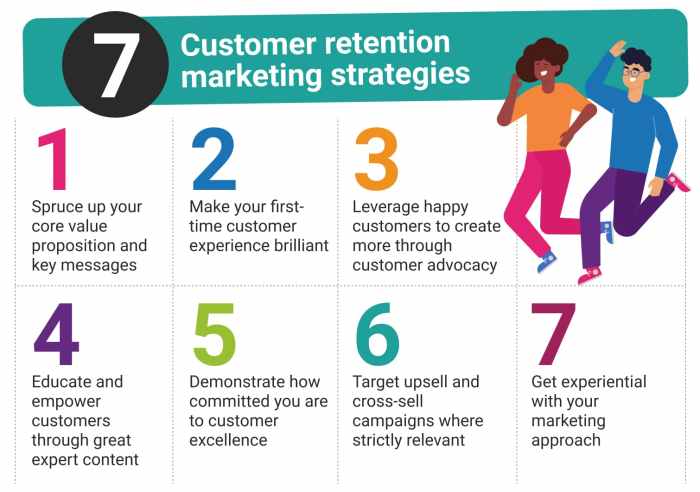
Aligning customer service strategies with personalized marketing campaigns creates a synergistic relationship, enhancing customer experience and boosting retention. By leveraging data from customer service interactions, businesses can refine their marketing efforts, leading to more effective and targeted campaigns that resonate with individual customer needs and preferences. This integration fosters a more holistic and customer-centric approach to business operations.Customer service and marketing departments should work collaboratively to ensure consistent messaging and a unified brand experience.
This means sharing data and insights, aligning communication styles, and establishing clear protocols for handling customer feedback. Effective integration requires a shared understanding of customer data privacy and compliance regulations.
Using Customer Service Data to Improve Marketing Targeting
Customer service interactions provide a wealth of valuable data for improving the targeting and personalization of marketing messages. Analyzing this data reveals insights into customer preferences, pain points, and purchase behaviors. For example, frequent inquiries about a specific product feature might indicate a need for targeted marketing highlighting that feature. Similarly, negative feedback on a particular aspect of the customer journey can inform adjustments to marketing materials to address these concerns proactively.
This data-driven approach allows for the creation of more relevant and effective marketing campaigns. By segmenting customers based on their service interactions, businesses can tailor messaging to specific needs and preferences, increasing engagement and conversion rates.
Refining Personalized Marketing with Customer Service Feedback
Feedback from customer service interactions provides crucial insights for refining personalized marketing efforts. Analyzing customer feedback – whether positive or negative – allows businesses to identify areas for improvement in their marketing strategies. For instance, positive feedback on a specific marketing campaign can be leveraged to understand what resonated with customers and replicate that success in future campaigns.
Conversely, negative feedback can highlight areas needing improvement, such as unclear messaging, irrelevant offers, or ineffective communication channels. This feedback loop allows for continuous improvement and optimization of personalized marketing strategies. For example, if customers consistently complain about receiving irrelevant emails, the business can adjust its segmentation strategy and email content to ensure future communications are more targeted and valuable.
Aligning Customer Service and Marketing Strategies
Successful integration requires a clear strategy outlining how customer service and marketing will collaborate. This involves establishing shared goals, defining key performance indicators (KPIs), and creating a system for sharing customer data and feedback. For example, a shared KPI might be customer satisfaction scores, which can be influenced by both customer service interactions and the effectiveness of personalized marketing campaigns.
Regular meetings and communication between the two departments are essential to ensure alignment and effective collaboration. Implementing a centralized customer data platform can streamline data sharing and analysis, facilitating a more integrated approach. This collaborative effort ensures a seamless customer experience across all touchpoints.
Case Studies
Successful personalized marketing campaigns significantly boost customer retention. Examining real-world examples reveals effective strategies and quantifiable results, offering valuable insights for businesses aiming to improve their own customer retention efforts. The following case studies illustrate the power of personalization in action.
Amazon’s Recommendation Engine
Amazon’s personalized recommendation engine is a prime example of successful personalized marketing driving customer retention. By analyzing user browsing history, purchase patterns, and ratings, Amazon provides highly relevant product suggestions. This targeted approach increases the likelihood of repeat purchases and encourages exploration of new products within the Amazon ecosystem. The engine’s sophistication lies in its ability to adapt to individual user behavior over time, constantly refining recommendations for greater accuracy.
This continuous learning and adaptation are key to its ongoing success.
The impact of Amazon’s personalized recommendations is significant. Increased sales and customer lifetime value are directly attributable to this strategy. While specific numbers are not publicly available, anecdotal evidence and industry analysis point to a substantial contribution to Amazon’s overall success. The system’s ability to anticipate customer needs and offer relevant suggestions fosters a sense of understanding and value, leading to increased customer loyalty and reduced churn.
- Highly targeted product recommendations increase sales and average order value.
- Personalized suggestions encourage exploration of new products within the Amazon ecosystem.
- Continuous learning and adaptation ensure recommendations remain highly relevant over time.
- The system fosters a sense of understanding and value, enhancing customer loyalty.
Netflix’s Personalized Content Recommendations
Netflix leverages data-driven personalization to curate its users’ viewing experiences. By analyzing viewing history, ratings, and even the time of day users watch, Netflix suggests shows and movies tailored to individual preferences. This highly personalized approach keeps users engaged and reduces the likelihood of subscription cancellations. The algorithm constantly learns and refines its recommendations, ensuring a consistently relevant and engaging experience.
Netflix’s success with personalized recommendations is reflected in its high customer retention rates and substantial subscriber base. While exact figures regarding the direct impact of personalization on retention are not publicly disclosed, industry analysts attribute a significant portion of their success to their robust recommendation system. The ability to provide relevant content reduces the friction associated with choosing what to watch, leading to increased viewing time and satisfaction.
- Tailored content suggestions increase viewing time and user engagement.
- Personalized recommendations reduce the likelihood of subscription cancellations.
- The algorithm’s continuous learning ensures consistently relevant content suggestions.
- A more engaging experience leads to higher customer satisfaction and retention.
Spotify’s Personalized Playlists
Spotify’s personalized playlists, such as “Discover Weekly” and “Release Radar,” are another compelling example of personalization driving customer retention. These curated playlists leverage user listening history to generate unique mixes of songs, introducing users to new artists and music while reinforcing their existing preferences. This constant stream of fresh, relevant content keeps users engaged and coming back for more.
Spotify’s strategy has proven remarkably effective in increasing user engagement and retention. While precise data on the direct impact of personalized playlists on retention is not publicly released, the widespread popularity of these features and their positive reception by users strongly suggest a significant contribution to Spotify’s growth and sustained user base. The ease of discovery and constant flow of new music tailored to individual tastes strengthens user loyalty and reduces churn.
- Personalized playlists introduce users to new music while reinforcing existing preferences.
- A constant stream of fresh, relevant content keeps users engaged and coming back.
- The ease of discovery reduces the effort required to find new music users enjoy.
- Increased user engagement and satisfaction contribute significantly to higher retention rates.
Case Study Summary Table
| Company Name | Strategy | Results | Key Learnings |
|---|---|---|---|
| Amazon | Personalized product recommendations based on browsing history, purchase patterns, and ratings. | Increased sales, average order value, and customer lifetime value. Improved customer loyalty and reduced churn. | Highly targeted recommendations drive sales and engagement. Continuous learning and adaptation are crucial for long-term success. |
| Netflix | Personalized content recommendations based on viewing history, ratings, and viewing times. | Increased viewing time, user engagement, and high customer retention rates. Reduced subscription cancellations. | Tailored content keeps users engaged and satisfied, leading to higher retention. Continuous adaptation of the recommendation engine is key. |
| Spotify | Personalized playlists (e.g., Discover Weekly, Release Radar) based on listening history. | Increased user engagement, higher retention rates, and positive user reception. | Providing a constant stream of fresh, relevant content is crucial for maintaining user interest and loyalty. Ease of discovery is paramount. |
Successfully implementing personalized marketing requires a holistic approach, integrating data-driven insights with a customer-centric philosophy. By understanding and leveraging customer data ethically, businesses can craft highly relevant and engaging experiences that foster loyalty and drive retention. This strategy not only boosts profitability but also strengthens brand reputation and cultivates lasting customer relationships. The journey towards personalized marketing necessitates continuous learning, adaptation, and a commitment to providing exceptional value at every touchpoint.
Frequently Asked Questions
What are the ethical considerations of personalized marketing?
Ethical personalized marketing prioritizes data privacy and transparency. Obtain explicit consent, be clear about data usage, and ensure compliance with relevant regulations like GDPR and CCPA.
How can I measure the ROI of personalized marketing?
Track key metrics such as conversion rates, customer lifetime value (CLTV), click-through rates, and customer churn. Compare these metrics against traditional marketing campaigns to assess the return on investment.
What if I don’t have a lot of customer data?
Start by collecting basic demographic information and purchase history. Use website analytics to understand browsing behavior. Gradually expand data collection as your understanding of your customers grows.
What are some common mistakes to avoid?
Avoid overly intrusive personalization, creepy targeting, and neglecting customer feedback. Ensure your personalization efforts are relevant and respectful of customer privacy.