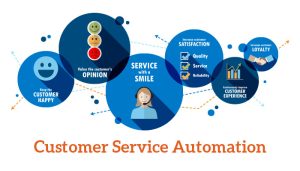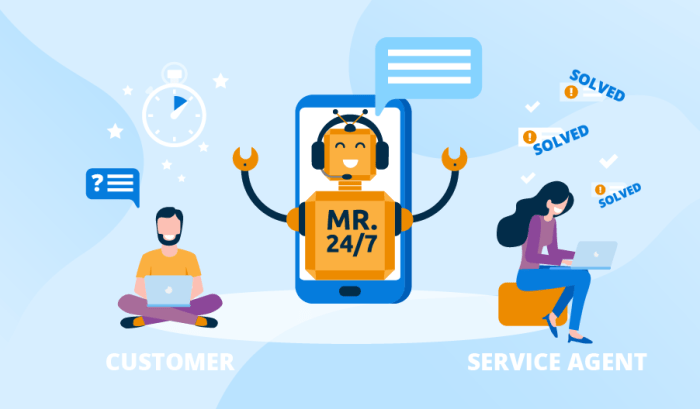
The rise of customer service chatbot technology signifies a pivotal shift in how businesses interact with their clientele. These intelligent virtual assistants, ranging from simple rule-based systems to sophisticated AI-powered platforms, are rapidly transforming customer service landscapes. This exploration delves into the diverse types of chatbots, their integration with existing systems, their impact on customer experience, and their crucial role in fostering customer retention.
We will examine both the advantages and challenges associated with this rapidly evolving technology.
Understanding the nuances of chatbot technology is crucial for businesses aiming to optimize their customer service strategies and enhance customer satisfaction. From selecting the appropriate chatbot type to effectively integrating it with existing infrastructure, careful planning and execution are essential for successful implementation. This analysis will provide a comprehensive overview of the key considerations and best practices involved.
Customer Service and Customer Retention
Effective customer service is paramount for business success, and chatbots are rapidly transforming how companies interact with their customers. Their ability to provide instant, personalized support significantly impacts customer retention rates. This section explores the role of chatbots in enhancing customer loyalty and improving overall business outcomes.
Improved Customer Retention through Chatbot Implementation
Studies consistently demonstrate a strong correlation between positive customer service experiences and increased customer retention. For example, a 2022 study by Zendesk found that businesses with excellent customer service retain 86% of their customers, while those with poor customer service retain only 4%. Chatbots contribute to this improved retention by offering several key advantages: 24/7 availability eliminates wait times, instant issue resolution reduces frustration, and personalized interactions foster stronger customer relationships.
A well-implemented chatbot system can drastically reduce customer churn by proactively addressing issues and providing seamless support, leading to higher customer lifetime value. For instance, a company using a chatbot to handle simple queries might see a 15-20% reduction in calls to their human agents, freeing up valuable time for more complex issues. This improved efficiency directly contributes to higher customer satisfaction and reduced operational costs.
Personalized Experiences and Customer Loyalty
Personalization is crucial for building strong customer relationships and fostering loyalty. Chatbots excel at delivering personalized experiences through the use of customer data. By analyzing past interactions, purchase history, and preferences, chatbots can tailor their responses to individual needs. This personalized approach makes customers feel valued and understood, strengthening their connection with the brand.Here’s a hypothetical chatbot interaction demonstrating personalization: Scenario: A customer, Sarah, frequently purchases running shoes from a sportswear retailer’s website.
She contacts the chatbot with a question about a new shoe model. Chatbot Interaction:Chatbot: “Hi Sarah, welcome back! I see you’re interested in the new ‘Velocity Pro’ running shoes. Based on your past purchases, I understand you prefer lightweight shoes with excellent cushioning. The Velocity Pro offers both, and our customer reviews suggest you’ll particularly appreciate its improved breathability.
Would you like me to provide you with more details?”This personalized greeting and product recommendation, based on Sarah’s past behavior, create a positive and engaging experience. This targeted approach increases the likelihood of a purchase and strengthens customer loyalty.
Proactive vs. Reactive Customer Support
The following table compares and contrasts proactive and reactive chatbot support in boosting customer retention:
| Proactive Customer Support (Chatbot) | Reactive Customer Support (Chatbot) |
|---|---|
| Offers timely assistance before issues arise. Examples include order confirmations, shipping updates, proactive troubleshooting suggestions based on user behavior. | Responds to customer inquiries and resolves issues after they occur. Examples include answering FAQs, troubleshooting technical problems, handling returns/refunds. |
| Builds trust and loyalty by demonstrating care and anticipating needs. Reduces customer frustration by preventing problems. | Addresses immediate customer needs, resolving issues and preventing escalation. Maintains customer satisfaction by providing efficient solutions. |
| Can lead to increased customer satisfaction and reduced churn through preventative measures. Example: A chatbot reminding a customer about an upcoming subscription renewal date. | Can improve customer satisfaction and retention by resolving issues promptly and efficiently. Example: A chatbot helping a customer locate a lost order. |
Future Trends in Customer Service Chatbot Technology
The rapid evolution of artificial intelligence (AI) is fundamentally reshaping the landscape of customer service. Chatbots, once simple rule-based systems, are rapidly becoming sophisticated conversational agents capable of handling increasingly complex interactions. This section explores the key technological advancements driving this transformation and their impact on both customer satisfaction and operational efficiency.
Several emerging technologies are poised to significantly impact the future capabilities and effectiveness of customer service chatbots.
Emerging Technologies Shaping Chatbot Evolution
The following technologies will play a crucial role in defining the next generation of customer service chatbots.
- Advanced Natural Language Processing (NLP): Improvements in NLP will enable chatbots to understand nuanced language, including slang, idioms, and colloquialisms, leading to more natural and human-like conversations. This includes advancements in sentiment analysis, allowing chatbots to better understand the emotional context of customer interactions.
- Emotional AI: The integration of emotional AI will allow chatbots to recognize and respond appropriately to customer emotions, leading to more empathetic and personalized interactions. This capability is crucial for building trust and rapport with customers.
- Hyper-Personalization through Data Analytics: By leveraging customer data and advanced analytics, chatbots can personalize interactions to a much greater extent, offering tailored recommendations, solutions, and support based on individual customer preferences and history.
- Omnichannel Integration: Future chatbots will seamlessly integrate across multiple channels, allowing customers to switch between platforms (e.g., website, mobile app, social media) without interruption in service or loss of context.
- Proactive Chatbots: Instead of simply reacting to customer inquiries, chatbots will become proactive, anticipating customer needs and offering assistance before a problem arises. This could involve suggesting relevant products or services based on browsing history or proactively addressing known issues.
Impact of Emerging Technologies on Customer Service
The integration of these technologies will significantly impact both customer service efficiency and customer satisfaction.
| Technology | Impact on Efficiency | Impact on Customer Satisfaction |
|---|---|---|
| Advanced NLP | Reduced handling time per interaction; improved automation of routine tasks. | Improved understanding and resolution of customer issues; more natural and engaging interactions. |
| Emotional AI | Improved efficiency through quicker issue resolution due to better understanding of customer needs and frustration levels. | Increased customer loyalty and positive brand perception due to more empathetic and personalized service. |
| Hyper-Personalization | Potentially increased sales and reduced customer churn through targeted recommendations and proactive support. | Enhanced customer experience through tailored interactions and relevant offers. |
| Omnichannel Integration | Streamlined customer support across all channels, reducing the need for multiple support teams. | Improved customer experience through consistent and seamless support regardless of the channel used. |
| Proactive Chatbots | Reduced inbound support tickets through proactive problem-solving and issue prevention. | Improved customer experience through anticipatory support and personalized recommendations. |
Vision for the Future of Customer Service Chatbots
In the future, customer service chatbots will be indistinguishable from human agents in many interactions. They will not only resolve issues efficiently but also proactively anticipate customer needs, offering personalized recommendations and seamless support across all channels. Imagine a world where a chatbot seamlessly guides a customer through the purchase process, anticipates potential shipping delays, and proactively addresses any concerns before they escalate.
This level of personalized and proactive support will lead to significantly improved customer satisfaction, increased loyalty, and a more efficient and cost-effective customer service operation. Companies like Amazon are already paving the way, utilizing sophisticated AI to personalize recommendations and anticipate customer needs, setting the stage for a future where chatbots are the cornerstone of exceptional customer experiences.
In conclusion, customer service chatbot technology presents a powerful tool for businesses seeking to improve efficiency, enhance customer experience, and ultimately, boost customer retention. While challenges remain regarding integration, data security, and the occasional limitations of AI, the ongoing advancements in natural language processing and emotional AI promise to overcome these hurdles. The future of customer service is undeniably intertwined with the continued development and refinement of chatbot technology, paving the way for increasingly seamless and personalized customer interactions.
Helpful Answers
What are the limitations of chatbot technology?
Current limitations include difficulties handling complex or nuanced inquiries, potential for misinterpreting user intent, and the need for ongoing training and maintenance to ensure accuracy and effectiveness.
How can I measure the ROI of a customer service chatbot?
Measure key metrics like reduced customer service costs, increased customer satisfaction scores (CSAT), improved response times, and higher customer retention rates. Track these before and after implementation.
What are the ethical considerations of using chatbots?
Ethical concerns include ensuring transparency about chatbot use, protecting user data privacy, and avoiding deceptive or manipulative interactions. Clear communication about the chatbot’s capabilities is key.
Can chatbots handle multilingual support?
Yes, many advanced chatbots offer multilingual support through natural language processing (NLP) capabilities that allow them to understand and respond in multiple languages.