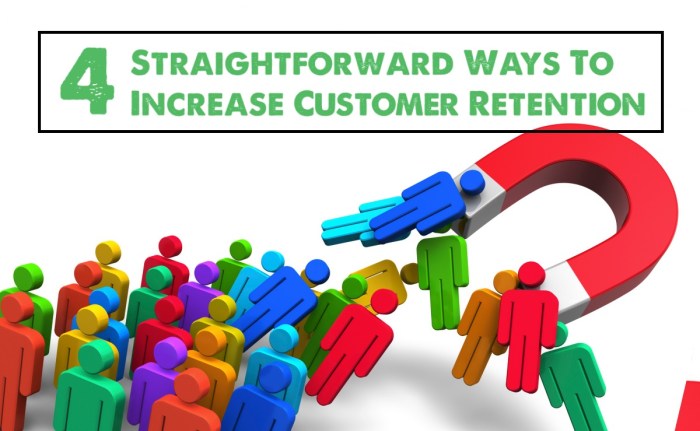
Customer retention is paramount for business success. It’s far more cost-effective to retain existing customers than to constantly acquire new ones. This guide explores proven strategies to cultivate lasting relationships, improve customer satisfaction, and ultimately, boost your bottom line. We’ll delve into understanding customer needs, enhancing service, building strong relationships, improving product quality, and leveraging technology to create a truly exceptional customer experience.
From conducting thorough customer surveys to implementing effective loyalty programs and utilizing data analytics, we’ll provide actionable insights and practical advice to help you transform your customer retention strategies. The journey towards improved retention involves a multifaceted approach, blending empathy, efficiency, and innovation.
Building Customer Relationships
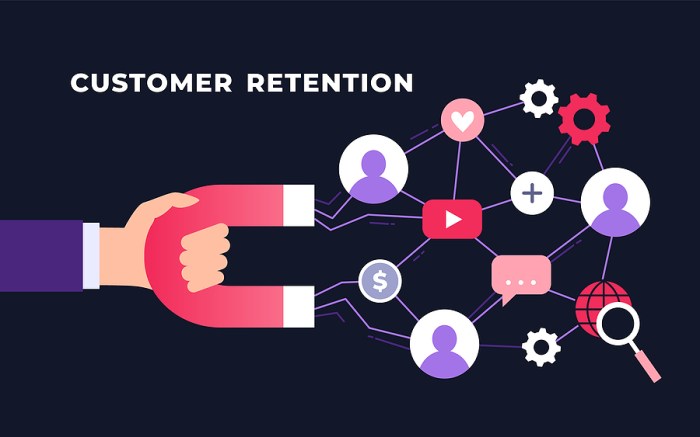
Strong customer relationships are the cornerstone of successful business retention. By fostering genuine connections and understanding individual customer needs, businesses can significantly increase loyalty and reduce churn. This involves more than just providing excellent service; it requires strategic engagement and a commitment to building lasting relationships.Personalized Communication and Targeted Marketing CampaignsPersonalized communication is crucial for building strong customer relationships.
Instead of generic marketing blasts, businesses should leverage data to tailor messages to individual customer preferences and behaviors. This targeted approach increases engagement and resonates more deeply with customers. For example, an online retailer might send personalized email recommendations based on a customer’s browsing history, highlighting products they’ve shown interest in. Similarly, targeted advertising campaigns on social media platforms can reach specific demographics and interests, maximizing the impact of marketing spend.
This level of personalization shows customers that the business values their individuality and understands their needs, fostering a sense of connection and loyalty.
Loyalty Program Design and Implementation
A well-designed loyalty program is a powerful tool for rewarding repeat customers and encouraging referrals. It should offer a clear value proposition, providing incentives that are genuinely appealing to the target customer base. Points-based systems, tiered rewards, exclusive access to events or products, and early access to sales are all common and effective strategies. For instance, a coffee shop might offer a free drink after every ten purchases, while a clothing retailer could provide exclusive discounts to members of its loyalty program.
Furthermore, incentivizing referrals through bonus points or other rewards can create a powerful network effect, driving new customer acquisition through existing loyal customers. The key is to make the program simple to understand and participate in, ensuring that the rewards are perceived as valuable and worth the effort.
Community Building Strategies
Fostering a sense of community among customers can significantly enhance loyalty and engagement. Social media platforms provide an ideal environment for creating this sense of belonging. Businesses can leverage platforms like Facebook, Instagram, or even dedicated forums to facilitate customer interaction. Organizing online contests, Q&A sessions with company representatives, or simply creating a space for customers to share their experiences and connect with one another can build a strong sense of community.
This fosters a positive brand image and allows customers to feel heard and valued, ultimately strengthening their relationship with the business. A successful example is a skincare brand that created a Facebook group where customers could share their experiences, ask questions, and receive support from both brand representatives and other users.
Ethical and Responsible Data Collection and Utilization
Collecting and utilizing customer data is essential for personalized communication and targeted marketing, but it must be done ethically and responsibly. Transparency is key; customers should be clearly informed about what data is being collected, how it will be used, and what measures are in place to protect their privacy.
- Obtain explicit consent before collecting any personal data.
- Implement robust data security measures to prevent breaches and unauthorized access.
- Regularly review and update data privacy policies to comply with relevant regulations (e.g., GDPR, CCPA).
- Provide customers with easy access to their data and the ability to correct or delete it.
- Use data analytics tools responsibly, avoiding discriminatory practices or unfair targeting.
Improving Product/Service Quality
High-quality products and services are the bedrock of customer retention. Addressing shortcomings and proactively improving offerings are crucial steps in building loyalty and reducing churn. Ignoring customer feedback and failing to adapt to evolving needs often leads to dissatisfaction and ultimately, lost customers.
Understanding the factors driving customer churn allows businesses to implement targeted improvements. By analyzing customer feedback and market trends, companies can pinpoint areas needing attention and develop strategies to enhance their offerings. This proactive approach fosters a positive customer experience, encouraging repeat business and positive word-of-mouth referrals.
Key Factors Contributing to Customer Churn and Solutions
Several key factors frequently contribute to customer churn. Addressing these issues directly can significantly improve retention rates. These factors are often interconnected, and solutions frequently require a multifaceted approach.
- Poor Product Performance: Malfunctioning products or services lead to frustration and dissatisfaction. Solution: Implement rigorous quality control measures throughout the production/service delivery process, including thorough testing and beta programs. Offer clear and accessible troubleshooting resources and responsive customer support.
- Lack of Innovation: Failing to adapt to changing customer needs and market trends results in products or services that become obsolete or irrelevant. Solution: Invest in research and development to identify emerging needs and incorporate customer feedback into product roadmaps. Regularly update and improve existing offerings.
- Poor Customer Service: Unresponsive, unhelpful, or rude customer service representatives can quickly erode customer loyalty. Solution: Invest in training programs for customer service staff, focusing on empathy, problem-solving, and effective communication. Implement easy-to-use communication channels (e.g., live chat, email, phone) and ensure prompt responses.
- Pricing Issues: Overly high prices or perceived lack of value for the price paid can lead to customers seeking cheaper alternatives. Solution: Conduct thorough market research to establish competitive pricing. Clearly communicate the value proposition of the product or service and highlight unique benefits.
Methods for Gathering Feedback on Product/Service Quality
Gathering feedback is crucial for understanding customer perceptions and identifying areas for improvement. Various methods offer different perspectives and insights.
- Beta Testing: This involves releasing a product or service to a select group of users before a wider launch. It allows for early identification of bugs and usability issues. Beta testers can provide valuable feedback on functionality, user experience, and overall satisfaction. This is particularly effective for identifying technical glitches and usability challenges before widespread release.
- User Surveys: Surveys provide a structured way to collect quantitative and qualitative data from a larger sample of customers. They can be used to assess satisfaction levels, identify areas of strength and weakness, and gather detailed feedback on specific features or aspects of the product or service. Well-designed surveys ensure comprehensive data collection and actionable insights.
- Customer Interviews: In-depth interviews provide rich qualitative data and allow for a deeper understanding of customer experiences and perspectives. These are particularly useful for exploring complex issues or understanding underlying reasons for dissatisfaction. The personal nature allows for probing questions and detailed responses.
- Social Media Monitoring: Tracking mentions of your brand and products on social media platforms can provide valuable insights into customer sentiment and identify emerging issues or concerns. This allows for real-time monitoring and swift responses to customer feedback.
Using Customer Feedback to Drive Product Development and Improvement
Customer feedback should be the driving force behind product development and improvement. Analyzing feedback effectively requires a structured approach.
For example, a company might receive consistent feedback about a slow loading time on their website. By analyzing this feedback, they can identify the bottleneck in their website’s architecture, potentially through server optimization or code restructuring. They might then allocate resources to improve website speed, directly addressing the customer concern. This shows a direct link between feedback, analysis, and tangible improvements.
Another example: A clothing retailer might find consistent negative feedback about the sizing of their garments. This feedback can inform the development of a new sizing chart, using customer data to create a more accurate and inclusive sizing system. This leads to improved customer satisfaction and reduced returns.
Implementing Changes Based on Customer Feedback
A well-defined plan is crucial for effectively implementing changes based on customer feedback. This plan should Artikel clear timelines, responsibilities, and measurable outcomes.
| Task | Timeline | Responsible Party | Metrics |
|---|---|---|---|
| Analyze customer feedback from surveys and social media | 2 weeks | Customer Success Manager | Number of surveys analyzed, key themes identified |
| Prioritize areas for improvement based on impact and feasibility | 1 week | Product Manager | Prioritized list of improvements with rationale |
| Develop solutions for prioritized areas | 4 weeks | Engineering Team | Number of solutions developed, feasibility assessments |
| Implement solutions and test thoroughly | 6 weeks | Engineering Team, QA Team | Number of bugs fixed, successful test cases |
| Launch updated product/service and monitor customer feedback | Ongoing | Marketing Team, Customer Success Manager | Customer satisfaction scores, sales figures, social media sentiment |
Leveraging Technology for Retention
In today’s digital age, technology plays a crucial role in fostering customer loyalty and driving retention. By strategically implementing the right tools and techniques, businesses can significantly improve their ability to understand, engage, and retain their customer base. This involves leveraging technology to personalize interactions, streamline processes, and proactively address potential issues before they escalate.CRM Systems and Personalized CommunicationCRM (Customer Relationship Management) systems are invaluable tools for tracking customer interactions and personalizing communication.
These systems provide a centralized repository for all customer data, allowing businesses to build comprehensive customer profiles. This detailed understanding of individual customer preferences, purchase history, and interaction patterns enables the creation of targeted marketing campaigns, personalized offers, and proactive customer service interventions. For example, a CRM system could identify a customer who hasn’t made a purchase in several months and trigger an automated email offering a discount or exclusive promotion to re-engage them.
Automation Tools for Streamlined Customer Service
Automation tools, such as chatbots and automated email responses, significantly streamline customer service processes. These tools can handle routine inquiries, freeing up human agents to focus on more complex issues requiring personalized attention. This leads to faster response times, increased efficiency, and improved customer satisfaction. For instance, a chatbot can instantly answer frequently asked questions about shipping times or return policies, providing immediate assistance to customers without the need for human intervention.
This ensures a consistent and efficient customer experience, even during peak demand periods.
Data Analytics for Identifying At-Risk Customers
Data analytics provides valuable insights into customer behavior and allows businesses to identify at-risk customers who are likely to churn. By analyzing data such as purchase frequency, customer service interactions, and website activity, businesses can pinpoint customers exhibiting patterns indicative of dissatisfaction or disengagement. This proactive identification allows businesses to intervene and address potential issues before customers decide to switch to a competitor.
For example, a decrease in purchase frequency coupled with negative feedback on a recent product could signal an at-risk customer, prompting a targeted outreach to understand and resolve the issue.
Hypothetical Customer Journey Map
Imagine a customer, Sarah, who purchases a new phone online. The customer journey begins with browsing the company website, where personalized recommendations based on her past purchases are displayed using data collected via cookies and her CRM profile. After purchase, an automated email confirms the order and provides tracking information. A week later, Sarah receives a proactive email asking for feedback on her purchase experience.
If she provides negative feedback, a customer service agent is automatically notified and contacts Sarah to address her concerns directly. If she provides positive feedback, she receives a personalized discount code for her next purchase. Throughout the entire process, Sarah receives timely and relevant communication tailored to her individual needs, fostering a positive and lasting relationship with the company.
This streamlined and personalized journey, facilitated by technology, significantly improves customer retention.
CUSTOMER SERVICE & CUSTOMER RETENTION
Exceptional customer service is not merely a desirable trait; it’s the cornerstone of robust customer retention. A positive customer experience fosters loyalty, encouraging repeat business and positive word-of-mouth referrals, ultimately leading to increased profitability and sustainable growth. Conversely, poor customer service can quickly erode trust and drive customers to competitors. The link between these two elements is undeniable and directly impacts a company’s bottom line.Exceptional customer service directly correlates with high customer retention rates.
Companies that prioritize customer satisfaction consistently outperform their competitors in terms of retention. This is because positive experiences build strong relationships, encouraging customers to remain loyal over time. Conversely, negative experiences can lead to churn, with dissatisfied customers easily switching to alternatives. This relationship is supported by numerous studies showing a strong positive correlation between customer satisfaction scores (CSAT) and customer lifetime value (CLTV).
Case Studies Illustrating the Impact of Enhanced Customer Service on Retention
Several companies have demonstrated the power of exceptional customer service in driving customer retention. For example, Zappos, known for its exceptional customer service policies, boasts incredibly high customer loyalty rates. Their commitment to going above and beyond for customers, including offering generous return policies and readily available support, has cultivated a strong base of loyal customers. Similarly, companies like Nordstrom, renowned for their customer-centric approach, have maintained high retention rates through consistent delivery of exceptional service experiences, from personalized assistance to efficient problem resolution.
These examples highlight how a focused investment in customer service translates directly into increased customer retention.
Comparison of Customer Service Models and Their Impact on Retention
Different customer service models yield varying results in terms of retention. A reactive model, focused solely on addressing customer issues after they arise, often leads to lower retention rates compared to a proactive model. Proactive models anticipate customer needs and address potential issues before they escalate. For example, a proactive model might involve sending personalized emails to customers after a purchase, offering support or suggesting relevant products.
Similarly, a self-service model, offering resources like FAQs and online chatbots, can improve efficiency and customer satisfaction if well-designed, leading to higher retention. However, a poorly designed self-service model can lead to frustration and negatively impact retention. The optimal model often involves a blend of proactive and reactive approaches, leveraging technology to enhance efficiency while maintaining a personal touch.
Employee Training and Empowerment in Delivering Exceptional Customer Service
Employee training and empowerment are crucial for delivering exceptional customer service and boosting retention. Well-trained employees are better equipped to handle customer inquiries, resolve issues efficiently, and build positive relationships. Empowered employees, given the authority to make decisions and resolve issues without excessive bureaucracy, can provide more effective and timely support. This empowers them to create positive customer experiences, fostering loyalty and increasing retention.
Investing in comprehensive training programs, focusing on communication skills, problem-solving techniques, and product knowledge, directly contributes to improved customer service and ultimately, higher retention rates. Furthermore, fostering a positive and supportive work environment contributes to employee satisfaction, which in turn translates to better customer service and improved retention.
By implementing the strategies Artikeld in this guide—from understanding your customers’ needs to leveraging technology to personalize their experience—you can significantly improve customer retention. Remember, it’s an ongoing process of refinement and adaptation. Continuously monitoring customer feedback, analyzing data, and adjusting your approach will ensure you’re always meeting and exceeding expectations, fostering loyalty, and building a thriving customer base.
FAQ
What is the average cost of acquiring a new customer compared to retaining an existing one?
Acquiring a new customer is typically significantly more expensive than retaining an existing one. Studies show it can cost five to twenty-five times more.
How can I measure the effectiveness of my customer retention efforts?
Key metrics include customer churn rate, customer lifetime value (CLTV), Net Promoter Score (NPS), and repeat purchase rate. Tracking these over time provides valuable insights.
What are some common reasons for customer churn?
Poor customer service, product issues, lack of communication, and competitive offerings are frequent causes. Understanding the root causes is crucial for effective retention.


